Notes from the bench. What the bakers get asked at the counter, written down properly.
Scoring a boule without tearing it
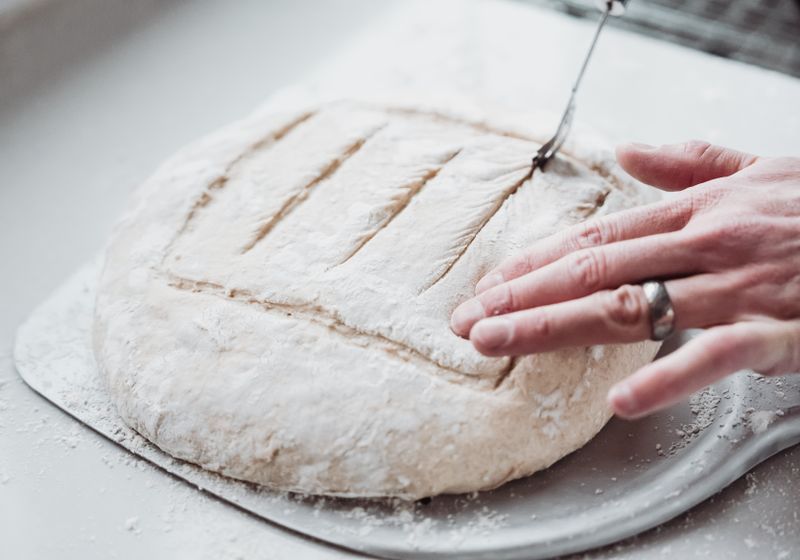
Isla on the one movement that separates a clean ear from a ragged one, and why a cold loaf is easier to score than a warm one.
Use a blade, not a knife, hold it at thirty degrees, and move once. Chill the shaped loaf for an hour first: cold dough holds the cut, warm dough drags. If the ear does not lift, the oven was not hot enough, not the cut.
A no-knead loaf for a weekday
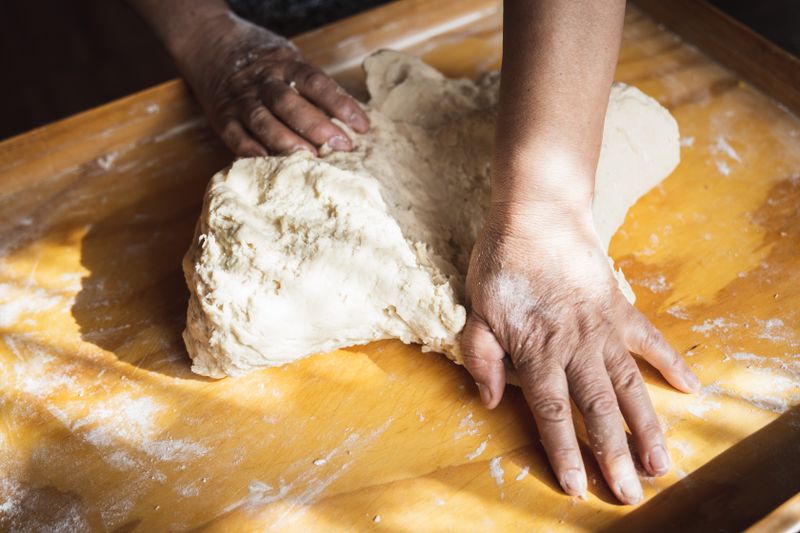
Twelve hours in the fridge does the work your arms would have done. The recipe we hand to anyone who asks how to start.
500g strong white flour, 375g water, 10g salt, 2g dried yeast. Stir, cover, fridge overnight. Tip onto flour, fold four times, rest an hour, bake in a lidded pot at 240°C for 30 minutes, lid off for 15. That is it.
Why your croissants leak butter
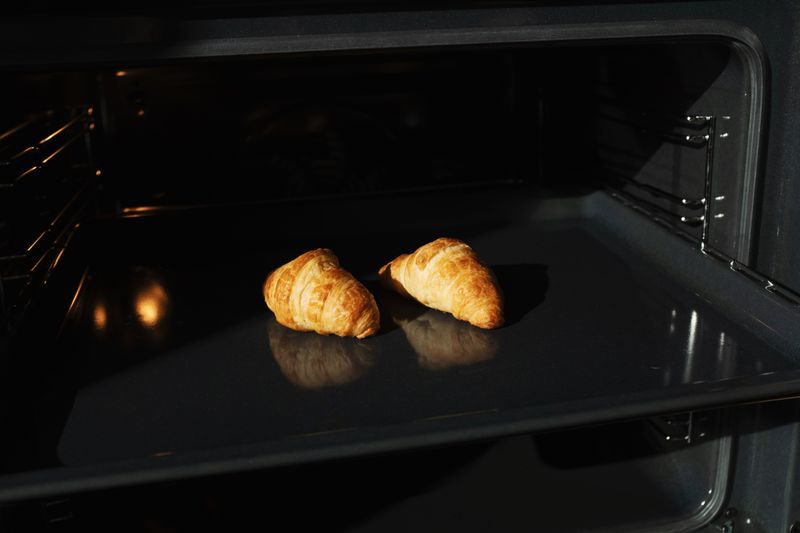
The oven is not hot enough, or the dough got too warm on the bench. Tomasz explains both, and the fix for each.
Butter that leaks was butter that melted before the oven set the dough. Keep the bench cold, keep the dough under 18°C between folds, and get the oven to 210°C before the tray goes near it. A leaking croissant still tastes fine, but it is not a croissant.